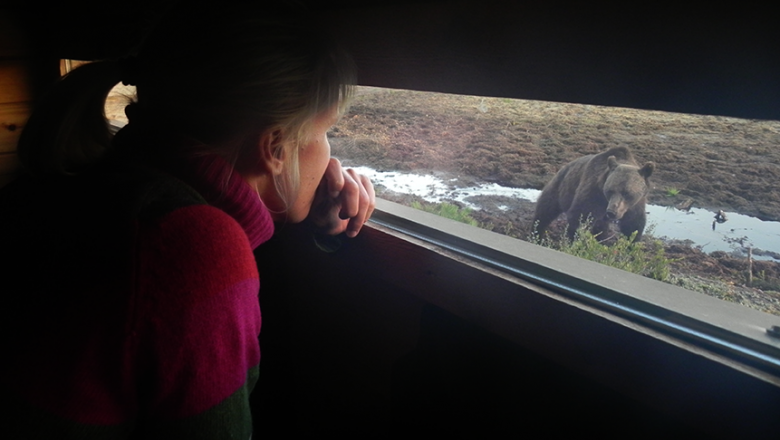
Photographing large carnivores began in the 1970s with the help of carcass feedings. Prior to then, photos of large carnivores were hard to come by. At first, the photography hides were only used by nature photographers, but nowadays nature photography and large carnivore tourism go hand in hand.

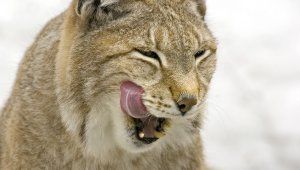
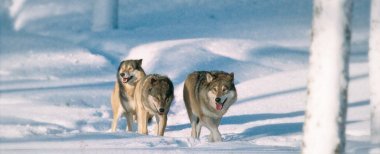
Nature photographers lure large carnivores close to the hides with food. The animals grow accustomed to visiting the feeding spot when the feeding continues over a long period of time and the animals are allowed to feed in peace. Hide cabins are a pretty sure way to see a bear. Carcass feeding spots are also visited by wolves and wolverines. The lynx does not eat carcasses, so photographing a lynx from a hide is quite unlikely. Golden eagles and sea eagles and other birds of prey are also known to visit carcass feeding spots from time to time.

Photography hides cannot be set-up at will
Large carnivores are lured to the vicinity of the photography hide with carcass feeding, which is a strictly regulated activity. Setting up a photography hide requires permission from the landowner and the municipal environmental protection authorities must also be contacted. A hide may be set up by any individual operator and the feeding of large carnivores is permitted if it does not cause health hazards, environmental pollution or risk the spreading of animal diseases. If the carcasses or butchering by-products used for the feeding are from species that are not native to Finland, the municipal veterinarian must be notified.
This practice of carcass feeding to lure large carnivores is not without its critics. The Finnish Ministry of Agriculture and Forestry is currently working on new rules and regulations for tourism and photography activities that involve carcass feeding.